New Sustainable Agriculture Model—King Oyster Cultivation Achieves Full-Cycle Resource Recycling
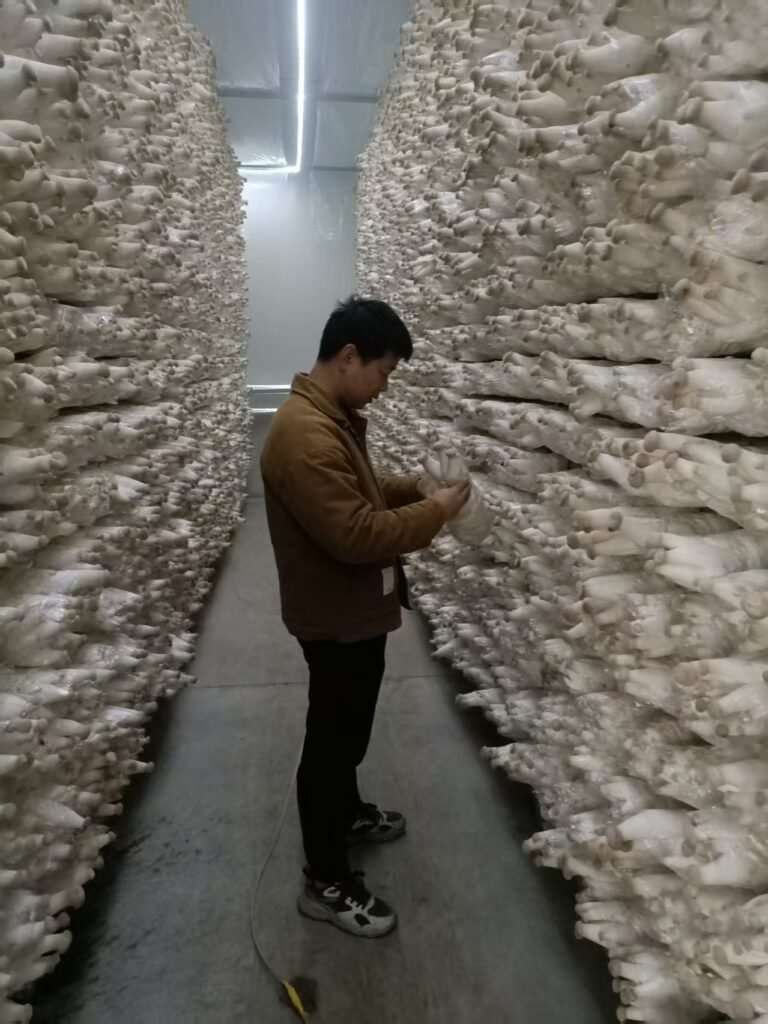
Against the backdrop of global consensus on agricultural sustainability, Lisha Fungi is driving the evolution of king oyster mushroom cultivation into a resource-circular industry through technological innovation.
The company’s substrate primarily utilizes forestry and agricultural by-products, such as wood chips and corn cobs, turning waste into resources. After cultivation, spent blocks can be converted into organic fertilizer and returned to farmland, forming a complete material cycle.
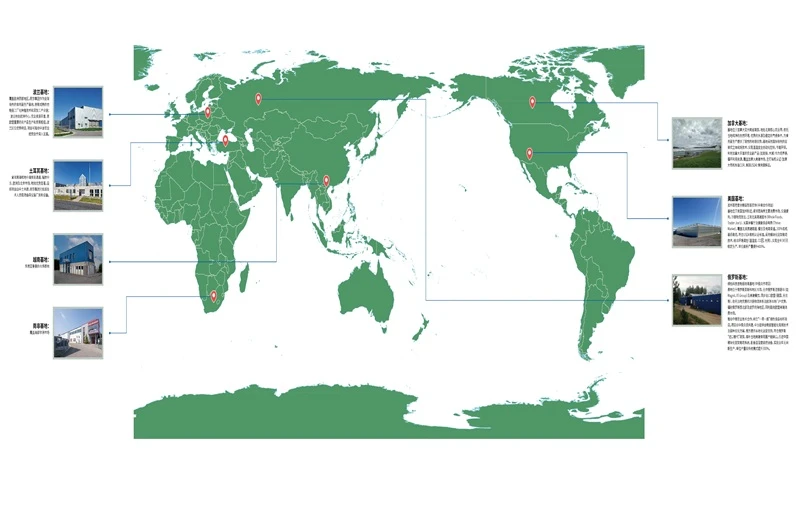
Additionally, Lisha Fungi promotes the use of solar power systems and water-saving humidification equipment in production, further reducing carbon emissions and water consumption. Its supply chain model of “blocks production in China + overseas fruiting” also minimizes the energy consumption and loss associated with long-distance transport of fresh mushrooms.
“We believe the future of agriculture must be environmentally friendly,” stated Lisha Fungi’s Head of Sustainability. “Mushrooms are nature’s recyclers, and our task is to make this process more efficient and systematic.